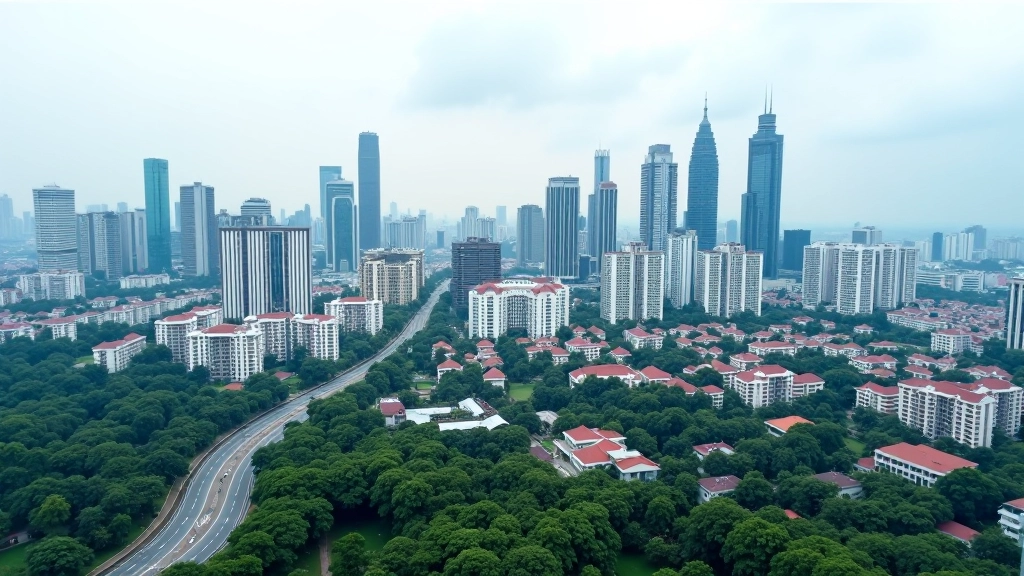
Affordable Housing Policy Initiatives Explained
Understanding Malaysia’s government programs, subsidies, and schemes that help first-time buyers enter the property market

Why Housing Affordability Matters
Finding an affordable home shouldn’t be a luxury. In Malaysia, rapid urbanisation and rising property prices have made homeownership increasingly challenging for young families and first-time buyers. That’s where government initiatives come in.
Over the past decade, Malaysia’s federal and state governments have introduced multiple schemes designed to bridge the gap between market prices and what ordinary workers can actually afford. These programs range from direct price subsidies to innovative financing arrangements. We’re going to walk you through how they work and which ones might apply to your situation.

Major Government Programs
Malaysia’s affordable housing landscape includes several key initiatives
PR1MA Programme
Launched in 2012, PR1MA (People’s Housing Programme) targets middle-income households earning between RM3,000 and RM10,000 monthly. Units are priced 10-30% below market value in strategic locations. The program’s already delivered over 38,000 homes across major cities.
Home Ownership Campaign
This scheme reduces stamp duty and real property gains tax for properties under RM500,000. It’s particularly beneficial for first-time buyers since it can save you thousands in transaction costs right from purchase day.
Rumah Selangorku Programme
Selangor’s flagship initiative offers homes at up to 30% below market rates. Units range from RM200,000 to RM500,000, and priority goes to locals with household incomes under RM10,000. Buyers get flexible payment terms and lower interest rates.
How These Programs Actually Work
Government affordability initiatives use several approaches. Some are straightforward — the government builds homes and sells them below cost. Others are more creative, like partnering with private developers or offering preferential financing through state-owned banks.
Most programs prioritise local residents, first-time buyers, and those with specific income ranges. You’ll typically need to submit proof of employment, income statements, and sometimes identification showing you’ve been a state resident for a minimum period — usually 12 months. The application process itself isn’t overly complex, but it does require documentation.
Interest rate assistance is another common mechanism. Instead of market rates around 3.5-4.5%, some schemes offer rates as low as 2-3%. Over a 25-year mortgage, this difference adds up to tens of thousands in savings.

Eligibility Criteria You Should Know
Most programs share common requirements, though specifics vary by scheme
Income thresholds are the primary filter. PR1MA targets households earning RM3,000-RM10,000 monthly — that’s roughly the middle-income bracket. If you’re earning significantly above or below that range, you might not qualify. Some state programs have different caps, so it’s worth checking your specific state’s requirements.
Citizenship and residency matter too. You’ll need to be a Malaysian citizen and usually a resident of the state where you’re buying — typically for at least 12 months prior to application. This is designed to prioritise locals over external investors.
First-time buyer status is a significant advantage. If you’ve never owned residential property before, you’re more likely to get approved and might qualify for additional benefits like stamp duty exemptions or better financing terms.
Credit history and employment stability are assessed too. Most lenders want to see consistent employment for at least 2 years, though this requirement can be flexible for self-employed individuals if they show 3 years of audited accounts.

The Application Process Simplified
Check Your Eligibility
Review income brackets, residency requirements, and employment status. Most state housing authorities have online eligibility checkers on their websites — takes about 5 minutes.
Gather Documentation
Prepare your ID copy, employment letter, last 3 months’ payslips, bank statements, and tax assessment notices. Some programs also request proof of residency like utility bills or tenancy agreements.
Submit Application
Apply through the relevant state authority or developer’s office. Processing typically takes 2-4 weeks. You’ll receive notification of approval status via email or phone call.
Select Your Property
Once approved, you’ll choose from available units. Popular locations fill quickly, so don’t delay once you get the green light. You’ll then proceed with legal documentation and financing arrangements.
Real Challenges to Consider
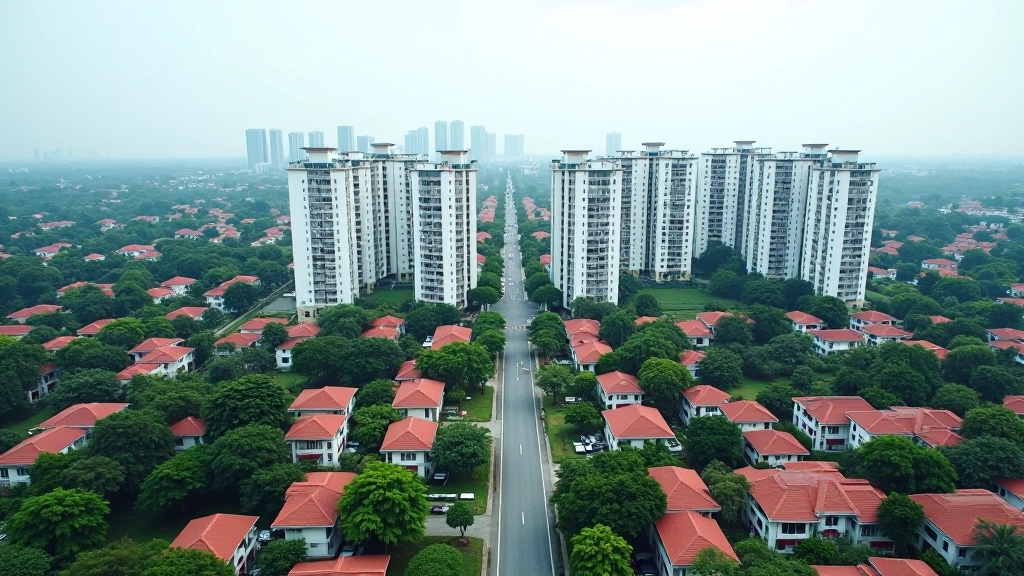
We’d be misleading you if we said these programs are perfect. Location is the biggest issue — most affordable units are in developing areas, sometimes 30-40km from city centres. That means longer commutes, which impacts your quality of life and daily costs.
Demand vastly outpaces supply. When PR1MA launches a new project with 500 units, they often receive 5,000+ applications. Your odds depend partly on luck, though state residency and first-time buyer status improve your chances significantly.
Financing gaps exist too. While programs offer reduced prices, banks still require down payments, usually 10% minimum. For a RM300,000 property, that’s RM30,000 upfront. Some schemes help with this through government-backed financing, but not all buyers qualify.
Resale restrictions sometimes apply. Certain programs limit how quickly you can sell after purchase — typically 5-10 years. This is intentional (to prevent speculation), but it does reduce flexibility if your circumstances change.
Practical Tips for Your Application
Apply Early
Don’t wait for the last day. Popular projects fill units within days of launch. Set up notifications from state housing authorities so you don’t miss announcements.
Get Your Docs Ready
Gather all required documents before submitting. Missing paperwork causes delays. Keep original and scanned copies — you’ll need both at different stages.
Research Locations
Visit proposed project sites before applying. Check proximity to your workplace, schools, and amenities. A cheaper unit is only good if you can actually afford to live there day-to-day.
Contact Authorities
Don’t hesitate to call state housing departments with questions. They’re there to help, and clarifying requirements upfront prevents costly mistakes later.
Your Path Forward
Affordable housing programs in Malaysia aren’t perfect, but they’re genuinely designed to help. PR1MA, state initiatives, and financing schemes have made homeownership possible for hundreds of thousands of Malaysians who’d otherwise be priced out of the market.
The key is understanding your options and acting strategically. Check which programs match your income and circumstances, get your documentation organised, and apply when opportunities arise. Yes, competition is fierce and locations might not be ideal, but building equity in your own home — even if it’s not your dream location initially — is worth the effort.
Start by visiting your state’s housing authority website. Most have detailed program information, FAQs, and upcoming launch schedules. You’re closer to homeownership than you might think.
Disclaimer
This article provides general educational information about Malaysia’s affordable housing programs and policies. Information is current as of March 2026 but housing policies and programs can change. Program eligibility criteria, pricing, and terms vary by state and may be updated by authorities. This is not financial or legal advice. Before making housing decisions, consult with official state housing authorities, financial advisors, and legal professionals. Property prices and market conditions fluctuate, and individual circumstances vary significantly. Always verify current requirements directly with relevant authorities before submitting applications.