

Residential Property Price Indices in Malaysia
Explore how property price indices track market movements across different regions and what the data tells us about housing trends.
Read MoreExamine how rapid city growth impacts housing demand, property values, and the broader economy. Discover the relationship between urbanisation and affordability challenges across Malaysia.
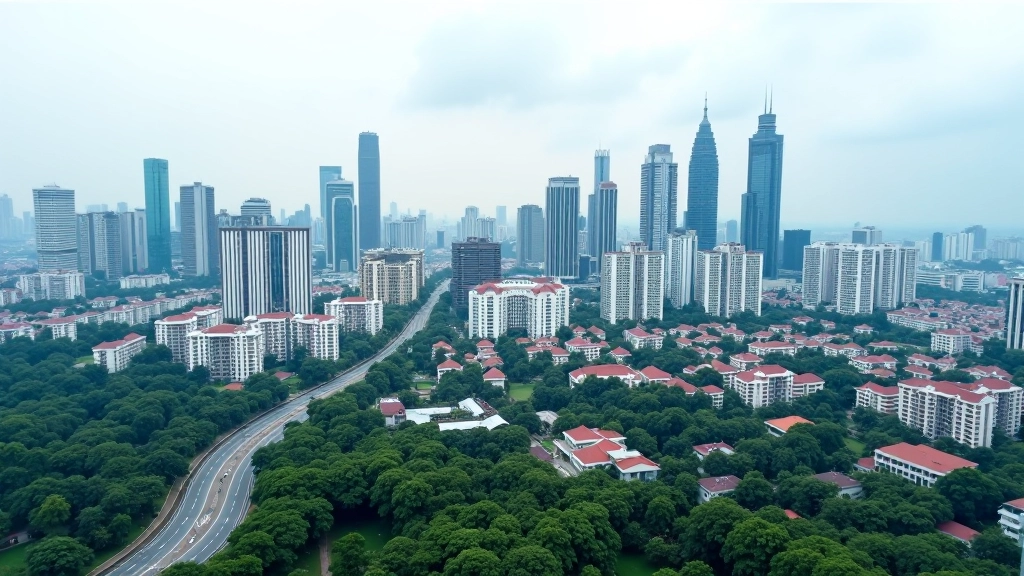
Urbanisation isn’t just about cities getting bigger. When people move into urban areas, everything shifts — demand for housing shoots up, property prices climb, and the entire economic landscape changes. Malaysia’s experiencing this right now. Over the past decade, cities like Kuala Lumpur, Selangor, and Penang have grown dramatically, and that growth’s creating real challenges in the housing market.
The relationship between city expansion and housing affordability isn’t simple. More people in cities means more homes needed, but it also means competition for limited land, rising construction costs, and higher property values. For many Malaysian families, what was once an achievable goal — owning a home — has become increasingly difficult. Understanding how urbanisation drives these changes helps explain why housing policy matters so much right now.
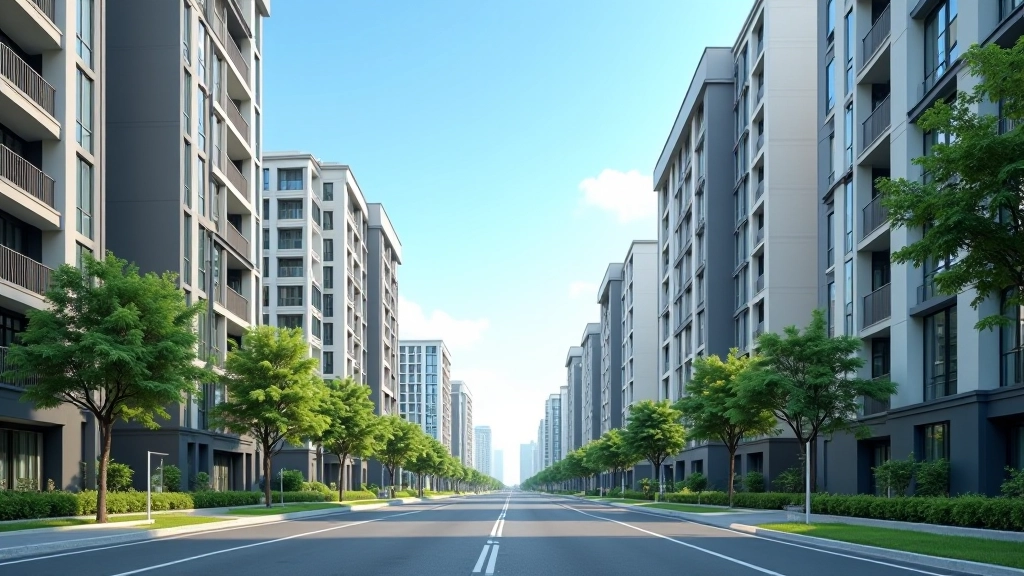
When people move to cities, they need somewhere to live. That sounds obvious, but the numbers tell the real story. Between 2015 and 2025, Malaysia’s urban population grew from about 72% to over 78% of the total population. That’s millions of people, and they’re all looking for homes.
The demand isn’t uniform either. Most migrants head to major metropolitan areas — Klang Valley, Johor Bahru, Penang. These places attract young professionals, families seeking better job opportunities, and people looking for urban lifestyle amenities. Young professionals particularly drive demand in city centers where they want to be close to work. This concentrated migration creates intense pressure on local housing markets.
Supply can’t keep pace with demand. Land in city centers is finite. Construction takes time — you can’t just snap your fingers and add 100,000 new homes overnight. So when thousands of people arrive each year looking for housing, but developers can only build a fraction of what’s needed, prices naturally climb. It’s basic economics: more buyers, limited supply, prices go up.


Property prices in Malaysian cities have risen significantly. In Kuala Lumpur, median property prices increased from around RM250,000 in 2010 to over RM450,000 by 2025. That’s not just inflation — that’s real price growth driven by demand. Selangor’s seen even steeper increases. These aren’t abstract numbers; they’re the difference between people being able to afford a home or not.
But here’s where it gets complicated. Higher property values aren’t entirely bad news. Homeowners see their assets appreciate. Local governments collect more property tax revenue. Construction companies have incentive to build. Yet for first-time buyers, especially younger people just entering the job market, these rising prices create a barrier that seems impossible to overcome.
Urbanisation also drives land costs up. In city centers, a square foot of land might cost five to ten times more than the same land in suburbs. Developers factor these costs into new construction, so new homes come with higher price tags. This creates a spiral: urbanisation drives up land costs, which drives up construction costs, which drives up property prices, which makes housing less affordable.
When housing becomes less affordable, the ripple effects touch nearly every part of the economy.
When people spend more on housing, they spend less on other things. Furniture, cars, entertainment, dining out — all take a hit. This affects retail businesses and service industries. High housing costs also mean people save less, reducing capital available for investments.
High housing costs create barriers to job changes. If moving to a new city for a better job means doubling your housing costs, you’re less likely to take that opportunity. This reduces labor mobility and can trap workers in lower-wage positions in expensive cities.
Housing is typically the largest asset most people own. When prices rise faster than incomes, existing homeowners gain wealth while renters and first-time buyers fall further behind. This widens the wealth gap across generations and income levels.
High housing demand can fuel inflation, especially when combined with limited supply. Central banks may respond by raising interest rates, which makes mortgages more expensive and slows overall economic growth. It’s a delicate balancing act.
Malaysia’s government recognizes the challenge. Several initiatives have been introduced to address housing affordability. Affordable housing schemes offer discounted units to qualifying buyers. Some have price caps to keep homes within reach of middle-income families. Others provide down payment assistance or easier financing terms.
The challenge with policy solutions is they’re often band-aids on a larger wound. If urbanisation continues driving up land costs and demand outpaces supply, government programs help some people but don’t solve the core problem. Some economists argue the real solution involves increasing housing supply — building more homes, faster. Others suggest controlling urban migration or encouraging development in secondary cities to reduce pressure on major metros.
Property price indices help track these trends. The government monitors residential property price indices across different regions to understand market dynamics. This data informs policy decisions. When prices rise faster than incomes in particular areas, that signals a problem requiring attention.

Urbanisation and housing markets aren’t separate issues — they’re deeply connected. As cities grow, housing demand increases. Limited land drives prices up. Unaffordable housing ripples through the entire economy, affecting consumer spending, job mobility, and wealth distribution. Malaysia’s experiencing this tension right now. Cities are growing faster than housing supply can accommodate, prices are climbing, and affordability’s becoming a real issue for many families.
Understanding these connections matters because it helps us recognize that housing policy isn’t just about real estate — it’s about economic growth, social mobility, and quality of life. The decisions made today about how to develop cities, where to build homes, and how to keep housing affordable will shape Malaysia’s economy for decades. There’s no simple solution, but there are better and worse approaches. What’s clear is that ignoring the relationship between urbanisation and housing affordability isn’t an option.
“Urbanisation is inevitable, but housing affordability doesn’t have to be a crisis. It requires coordinated planning, adequate supply, and policies that balance development with accessibility.”
This article provides educational information about urbanisation’s effects on housing markets and economic trends in Malaysia. It’s intended for informational purposes to help readers understand market dynamics and policy contexts. Data and statistics mentioned reflect available research and government sources as of 2026. Housing markets, economic conditions, and government policies change frequently. Specific property prices, policy details, and market conditions vary by location and time period. This content isn’t financial advice, investment guidance, or professional consultation. If you’re making housing or property decisions, consult with qualified professionals including financial advisors, real estate agents, and legal experts who can assess your specific circumstances. Market conditions vary significantly between regions and change over time.